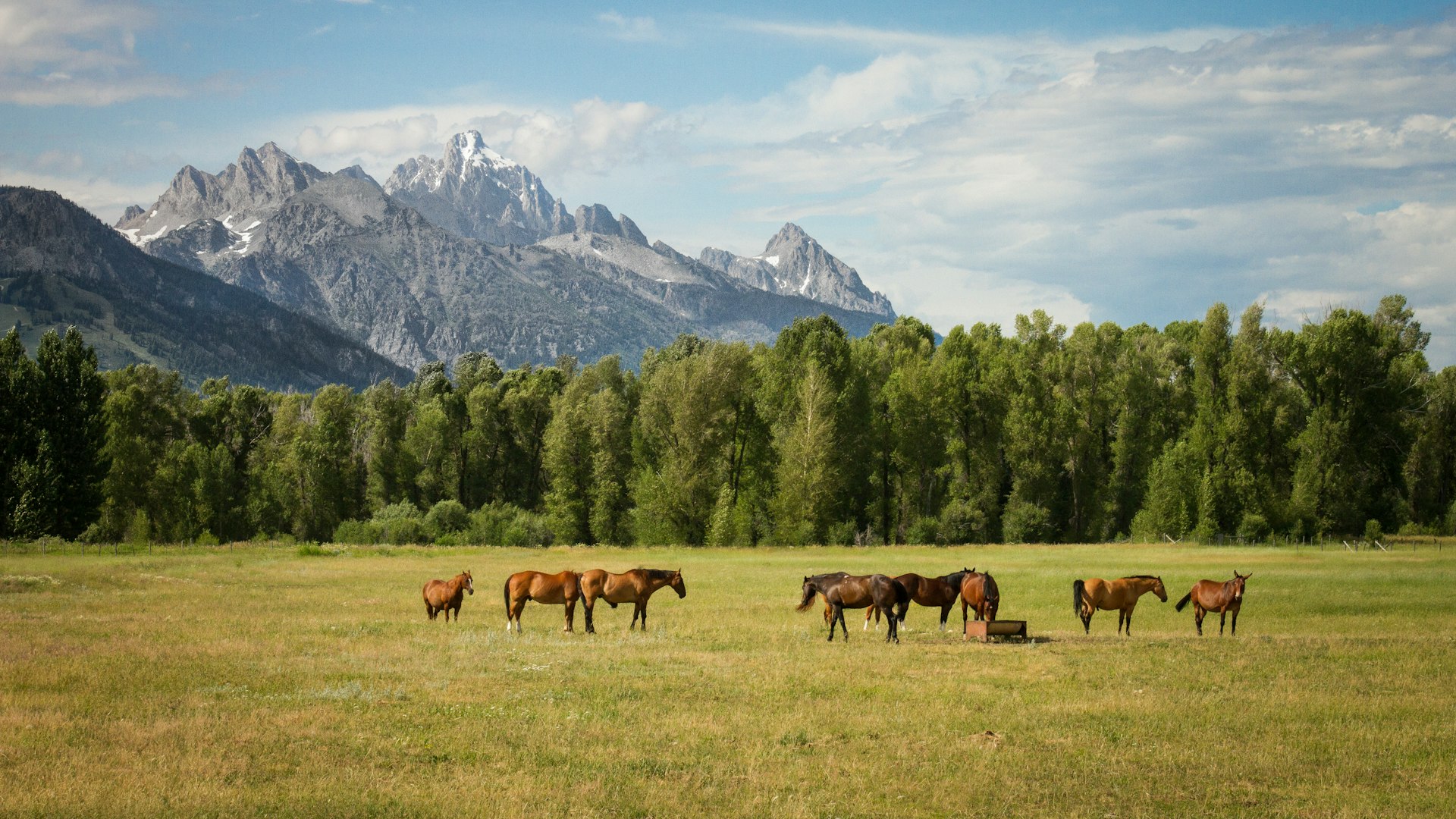
Family Dude Ranch Vacations: What a Week Really Costs and How to Pick the Right Ranch
By the Outdoors Haven editors 7 min read Updated October 6, 2026
What changed: Expanded in October 2026 and re-checked against official sources such as the NPS, state agencies and manufacturers.
Pack this into your head
- Most ranches sell Sunday-to-Saturday weeks with 3 to 7 night minimums
- Traditional ranches run about $2,800 to $4,500 per adult per week; luxury $6,000 to $9,000+
- Children's rates range from about half to nearly the full adult rate
- Budget 12 to 18 percent for gratuities or a service charge, plus tax
- Northern ranches peak June to early October; Southwest ranches October to May
- Deposit refunds commonly require about 90 days' notice
- Dude Ranchers' Association members pass an inspection before joining
On this route
A family dude ranch vacation is usually a week of all-inclusive lodging, meals and daily horseback riding, with kids’ programs and evening activities built in. Based on rates ranches published in 2026, expect about $2,800 to $4,500 per adult per week at traditional ranches and $6,000 to $9,000 or more at luxury ranches. Children pay anywhere from about half to nearly the adult rate, and tax plus a 12 to 18 percent gratuity or service charge come on top.
For a family of four, that typically means roughly $12,000 to $16,000 for a summer week at a traditional guest ranch and $30,000 or more at a luxury ranch in peak weeks. The right ranch depends less on price than on how your family wants to ride, how much structure the kids need, and what the adults want from the week.
What a dude ranch vacation includes
The Dude Ranchers’ Association, founded in 1926 at a meeting in Bozeman, Montana, is the main trade group and lists more than 90 member ranches across the western US and Canada. It says ranches must meet strict by-laws to join and stay, and that about 70 percent of applicants are accepted. Its FAQs describe member stays as all-inclusive, covering meals, lodging and most activities, with minimum stays of 3 to 7 nights depending on the season.
Most family ranches run Sunday-to-Saturday weeks in summer. Ranches come in three broad styles:
- Working ranches raise cattle, and guests may help move herds or check fences. Expect more saddle time and fewer amenities.
- Guest ranches exist mainly for visitors. Riding is still the core, but you’ll also find fishing, hiking, pools or hot tubs, and dedicated kids’ counselors.
- Luxury ranches add fine dining, spa services, higher thread counts and often more activity choices, at much higher prices.
For most families with children between about 6 and 15, a guest ranch is the sweet spot: enough structure to keep kids busy all day, enough comfort that nobody feels they’re roughing it.
What a week actually costs
Here’s what three real ranches charge, from their own published rate sheets for the next season:
| Ranch | Style and season | Adult, per week | Children | Added on top |
|---|---|---|---|---|
| Elkhorn Ranch, near Tucson, Arizona | Traditional ranch, winter season, November 2026 to April 2027 | $2,844 | Youth 6 to 15: $1,335; teens 16 to 19: $1,595; 5 and under not charged | 18% service charge plus 8.27% sales tax |
| Drowsy Water Ranch, near Granby, Colorado | Family guest ranch, summer 2027 | $3,500 (6 nights) | Ages 6 to 12: $2,800; 13 to 17: $3,100; 2 to 5: $2,100 | 4.2% sales tax, county lodging tax, gratuity left to guests (12 to 18% customary) |
| Vista Verde Ranch, near Steamboat Springs, Colorado | Luxury ranch, summer 2027 | $6,830 to $8,250 (cabin, by week) | Ages 3 to 13: $600 less than adult | Taxes and gratuities: check the ranch’s terms |
Sources: Elkhorn Ranch rates, Drowsy Water Ranch rates and Vista Verde rates. Rates change every year, so treat these as examples of each tier, not quotes.
Worked out for two adults and two children aged 6 to 12:
- Elkhorn Ranch, winter: about $8,360 in rates, plus the 18% service charge and tax, comes to roughly $10,550.
- Drowsy Water Ranch, summer: $12,600 in rates, plus tax and a 15% tip, comes to roughly $15,000.
- Vista Verde, peak July week: about $31,800 in rates before taxes and gratuities.
Those numbers look steep next to a beach package, but they cover every meal, riding instruction, guided activities and childcare for the week. Families who add up a national park lodge, restaurants, guided rides and activities piecemeal often land closer than they expect.
The costs that aren’t in the rate
- Gratuities or service charge. Often the biggest surprise. Elkhorn adds an 18% service charge pooled for the crew in place of tips; Drowsy Water says 12 to 18% is customary. Older guidance of 5 to 10% is too low for most ranches today.
- Taxes. State sales tax and local lodging taxes vary from a few percent to over 8 percent.
- Getting there. Flights into Denver, Jackson, Bozeman, Cody or Tucson, plus a rental car or the ranch shuttle, which some ranches charge for.
- Extras. Guided fly fishing, spa treatments, alcohol, and off-ranch trips such as whitewater rafting are bundled at some ranches and billed at others. If you’ll fish on your own, you’ll need a state license; see the fishing license guide.
- Deposits and cancellation. Deposits of 25% or around $1,000 per person are common, and both Elkhorn and Drowsy Water tie refunds to about 90 days’ notice. Price travel insurance for a five-figure week.
How to pick the right ranch
Start with what the adults love most, since kids will be happy almost anywhere with horses and other kids. Then ask these questions before you put down a deposit:
- What’s the minimum riding age, and what do younger kids do? Some ranches put 6-year-olds on trail rides, others start older, and some run pony rides or barn programs for little ones.
- Are rides split by ability? You want separate faster rides for confident riders and slow scenic rides for beginners, not one compromise group.
- How many guests per week? Small ranches with 30 to 40 guests feel like an extended family; larger ones feel more like a resort. Neither is wrong.
- Is there a real kids’ program, and what hours? “Kids welcome” and “counselors from 9 to 3” are very different weeks for parents.
- Is there a rider weight limit or a riding assessment? Many ranches have both, for the horses’ welfare and yours.
- What’s included beyond riding, and is the gratuity a fixed service charge or discretionary?
- Is the ranch a Dude Ranchers’ Association member, or inspected by another body? Membership isn’t the only mark of quality, but it means someone has checked.
- Are there adults-only rides or evenings? A quiet ride without the kids once or twice a week is a small luxury.
If nobody in the family has ridden before
That’s normal, and ranches plan for it. Most start the week with a short riding assessment or arena session, then match each guest to a horse and a ride group. Beginners walk on quiet trails for the first days and only move up when the wranglers think they’re ready. Ask how the ranch handles that first day, whether helmets are provided or required for children, and whether an adult can ride with a nervous young child at first.
A few things make the week easier for first-timers. Wear long pants that don’t bunch at the knee and closed boots with a small heel, which keeps a foot from sliding through the stirrup. Expect sore legs by Tuesday; it fades. And if a child decides midweek that horses aren’t for them, a good ranch will have fishing, hiking, crafts or barn chores to fill the day without making it feel like a lesser vacation. That flexibility is worth asking about before you book.
Regions and seasons
According to the DRA, northern ranches are at their best from June to the beginning of October, and southwestern ranches from October through May.
- Colorado: many family guest ranches at high elevation, with cool summer nights and easy access from Denver. Popular summer weeks book early.
- Wyoming: big country around Cody, Sheridan, Dubois and the Wind River Range, with long rides and a strong working-ranch feel. Some ranches are a day trip from Yellowstone; the national park pass guide covers entry fees if you add a park day.
- Montana: riding plus serious trout water, good when one parent dreams of fishing and the other of riding.
- Arizona and New Mexico: winter and spring ranch weeks in desert country, often smaller and less expensive, with better availability.
Elevation matters for packing. A Colorado ranch at 8,000 feet can be in the 40s °F at breakfast and 80s by afternoon, so bring layers; the layering guide applies in the saddle too. Add long pants for riding, boots with a heel, a brimmed hat and rain gear for afternoon storms.
What a typical day looks like
Most guest ranches follow a similar rhythm: breakfast around 7:30, a morning ride with groups matched by ability, lunch back at the lodge, then a free afternoon of fishing, hiking, a swim, archery or a second ride. Kids’ counselors take over for a few hours so parents can ride on their own or simply sit on a porch. Dinner is often communal, followed by a campfire, a barn dance, team penning or a weekly rodeo night.
The all-week format matters more than it looks. Because the same guests share the ranch from Sunday to Saturday, kids form a pack by midweek and families often trade numbers by the end. It’s closer to summer camp for the whole family than to a hotel stay.
When to book
Popular July weeks at well-known ranches fill early, often because repeat families rebook the same week as they check out. Ranches take reservations well ahead: Elkhorn accepts them up to a year in advance, and Drowsy Water was already taking 2028 reservations in 2026. June and late-August weeks often stay open longer and cost less; at Vista Verde, for example, early-June weeks run about 17 percent below the July rate.
If you’re weighing a ranch week against another once-in-a-while family trip, our comparison of first expedition cruises shows what the Galápagos, the usual family pick, costs per person. For most families, though, the practical step is simple: shortlist three ranches in the region you want, ask each the questions above by phone, and book the one whose answers about kids’ riding sound most like your family.
Questions people ask
How much does a dude ranch vacation cost for a family of 4?
For a summer week in 2026 and 2027, a family of two adults and two school-age children typically spends about $12,000 to $16,000 at a traditional guest ranch once tax and gratuities are added, and $30,000 or more at a luxury ranch in peak weeks. A traditional Arizona ranch in winter can come in around $10,500 with its service charge and tax. Flights and a rental car are extra.
What is included in a dude ranch vacation?
At most all-inclusive ranches, your lodging, three meals a day, horseback riding with instruction, kids' programs and most evening activities are included. The Dude Ranchers' Association describes its members' packages as covering meals, lodging and most activities. Common extras are gratuities, taxes, alcohol, guided fly fishing, spa treatments, off-ranch rafting and airport shuttles.
How old do kids have to be to ride at a dude ranch?
It varies by ranch. Many family ranches put children on trail rides from about age 6, some start younger in an arena or with led rides, and others set the line at 7 or 8. Some don't charge for children too young to ride. Ask the minimum riding age, how kids are grouped, and whether there's a supervised program for non-riders.
How much do you tip at a dude ranch?
More than many guests expect. Some ranches add a set service charge, often around 15 to 18 percent, that is pooled for the staff in place of tips. Others leave it to you, and 12 to 18 percent of the bill is a common guideline. Check the ranch's rate sheet, because a service charge and tax together can add 20 to 30 percent to the quoted rate.
What is the best time of year for a dude ranch vacation?
For ranches in Colorado, Wyoming and Montana, the main season runs from June to the beginning of October, with July the busiest and priciest. Early June and late August are often cheaper. Ranches in Arizona and the Southwest are at their best from October through May, when summer heat has passed. Fall weeks at many northern ranches are adults-only.
Keep going
Next on the trail
Backpacking With Kids: Ages, Distances and How to Plan the First Overnight
Kids can go backpacking at almost any age, but the first trip should be one night and 1 to 3 miles from…
Oct 13, 2026 · 8 min
Hiking With Dogs: Where They’re Allowed, What to Carry and Staying Safe
You can hike with dogs on most national forest and BLM trails and in many state parks, but most national parks limit…
Sep 29, 2026 · 8 min

How to Choose a Canoe Paddle: Length, Bent vs Straight Shaft, Blades and Materials
To choose a canoe paddle, size it by your seated torso, not your height: sit on a flat chair and measure from…
Oct 13, 2026 · 8 min