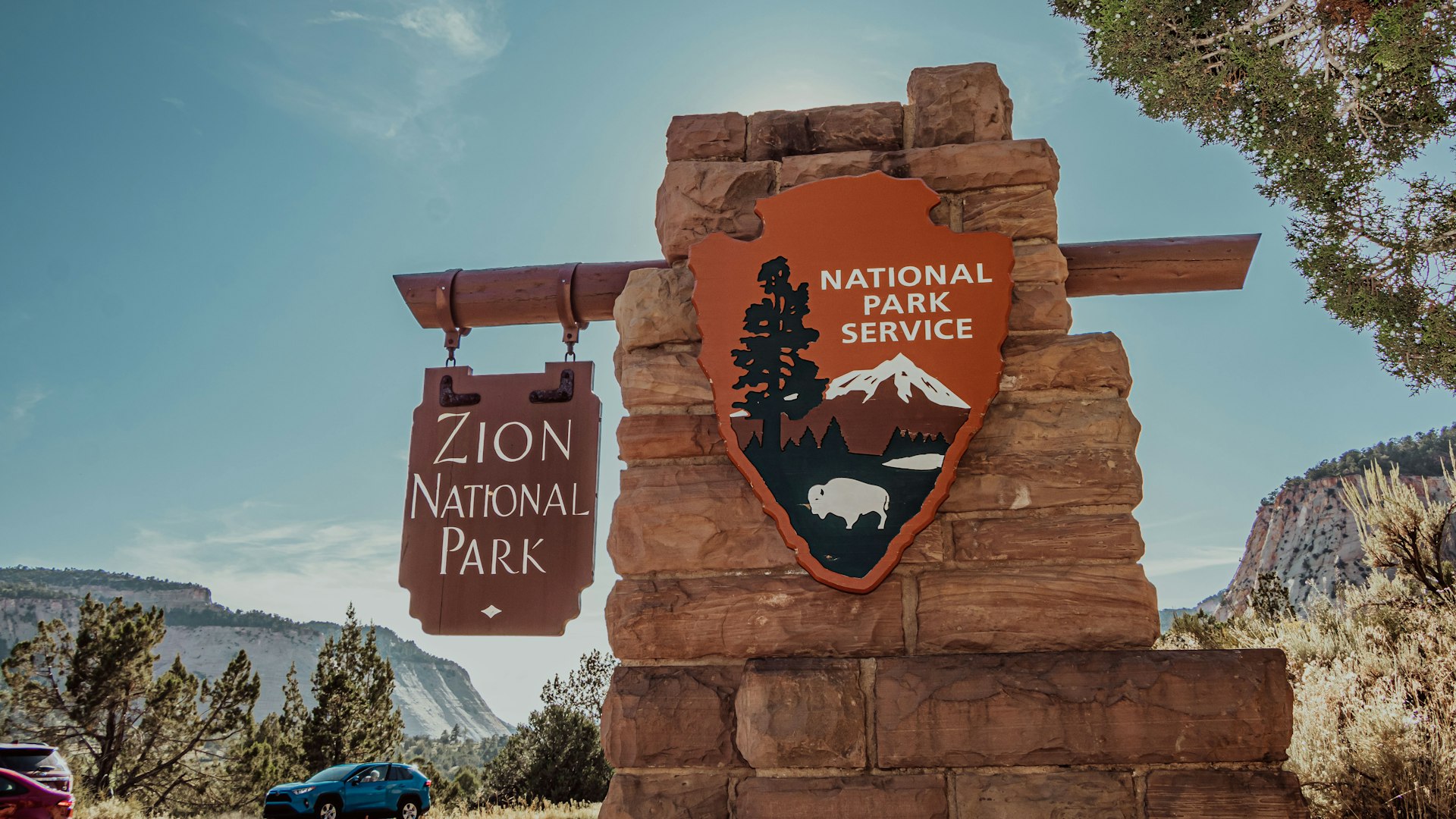
National Park Pass Guide 2026: Prices, Free Passes and Reservations
By the Outdoors Haven editors 8 min read Updated September 29, 2026
Pack this into your head
- US residents pay $80 for the annual America the Beautiful pass in 2026.
- Nonresidents pay $250 for the annual pass, or $100 extra per person at 11 busy parks.
- The Senior Pass for US residents 62 and older costs $20 a year or $80 for life.
- Current military, veterans, Gold Star families, 4th graders and Access Pass holders pay nothing.
- Fee-free days in 2026 apply to US citizens and residents only.
- Arches, Glacier and Yosemite dropped timed entry in 2026; Rocky Mountain kept it.
On this route
The national park pass most people mean is the America the Beautiful pass. As of 2026 it costs $80 a year for US citizens and residents and $250 for nonresidents, and it covers entrance at every national park plus standard day-use fees at thousands of other federal recreation sites. Seniors 62 and older pay $20 a year or $80 for life, and several groups get it free: current military and their dependents, veterans, Gold Star families, 4th graders and people with a permanent disability.
The 2026 season brought the biggest changes to park fees in years. Nonresidents now pay an extra $100 per person at 11 of the busiest parks, fee-free days are for US residents only, and several parks dropped their timed-entry systems while others kept them. Here is how it all works, with the rules as published by the National Park Service.
Every national park pass and what it costs in 2026
All passes below belong to the America the Beautiful series and work the same way at the gate. The differences are price and who qualifies.
| Pass | 2026 price | Who qualifies |
|---|---|---|
| Resident Annual | $80 | US citizens and residents |
| Non-Resident Annual | $250 | Anyone who is not a US resident |
| Senior Annual | $20 | US citizens and residents aged 62+ |
| Senior Lifetime | $80 | US citizens and residents aged 62+ |
| Military Annual | Free | Current US military members and dependents |
| Military Lifetime | Free | US veterans and Gold Star family members |
| Access Pass (lifetime) | Free | US citizens and residents with a permanent disability |
| 4th Grade Pass | Free | US 4th graders, for the school year and following summer |
| Volunteer Pass | Free | Volunteers with 250 service hours at federal sites |
You can buy or order any of them on Recreation.gov, through the USGS Store, or in person at a park entrance or visitor center. Since January 1, 2026 every pass is available as a digital version that loads on your phone right away. A mailed plastic card can take up to three weeks, so order early if you want the physical card before a trip.
What the pass covers, and what it doesn’t
At a park that charges per vehicle, the pass admits the pass holder and everyone in one private, non-commercial vehicle. At a site that charges per person, it covers the pass holder plus three other adults. Children 15 and under enter national parks free anyway. For motorcycles, one pass now covers two motorcycles.
The pass is non-transferable, so the person who signed it (or whose name is on the digital version) has to be there with ID. You can’t lend it to a friend for the weekend.
Beyond national parks, the pass covers entrance and standard amenity (day-use) fees at sites run by the US Forest Service, Bureau of Land Management, US Fish and Wildlife Service, Bureau of Reclamation and US Army Corps of Engineers. That includes many trailhead parking fees and day-use areas that beginners often forget about.
What it does not cover:
- Campground fees (the Senior and Access passes give a 50 percent discount on some of these)
- Timed-entry or permit reservation fees, such as the $2 Recreation.gov processing fee at Rocky Mountain
- Backcountry and wilderness permits
- Tours, boat trips, shuttles and lodging run by concessioners
- State parks, which have their own passes and fees
The new rules for nonresidents
International visitors saw two changes in 2026. First, the annual pass for nonresidents costs $250 instead of $80. Second, nonresidents aged 16 and older who don’t have an annual pass pay a $100 per person fee on top of the regular entrance fee at 11 parks:
- Acadia
- Bryce Canyon
- Everglades
- Glacier
- Grand Canyon
- Grand Teton
- Rocky Mountain
- Sequoia and Kings Canyon
- Yellowstone
- Yosemite
- Zion
The math is simple. A family of four adults from abroad visiting Yellowstone without a pass pays $35 for the car plus $400 in nonresident fees. With the $250 pass, the pass holder and three adults in the party are covered at every one of those parks. According to the NPS nonresident fee FAQ, rangers ask for proof of US residency, such as a US passport, a US driver’s license or state ID, or a green card. US residents traveling with international friends should carry ID too.
Free and discounted passes: who qualifies
Seniors
US citizens and permanent residents aged 62 or older can buy the Senior Annual Pass for $20 or the Senior Lifetime Pass for $80. Four annual passes can be traded in toward a lifetime pass. Bring proof of age and residency. If you are 62 and plan to keep visiting parks, the lifetime pass is the obvious buy.
Military, veterans and Gold Star families
Current service members and their dependents get a free Military Annual Pass. Veterans and Gold Star family members get a free Military Lifetime Pass. At the gate, veterans can show a Department of Defense ID, a Veteran Health Identification Card, the VA’s digital Veteran ID Card, or a veteran designation on a state driver’s license or ID.
People with a permanent disability
The Access Pass is free and lasts for life. You need documentation of a permanent disability, such as a physician’s statement or proof of federal disability benefits. Like the Senior Pass, it can halve some campground fees.
4th graders
Through the Every Kid Outdoors program, every US 4th grader (including home-schooled kids of 4th-grade age) can print a paper voucher and swap it for a free annual pass. It runs from September 1 through August 31 of the following year, so a child in 4th grade in 2026 to 2027 is covered until August 31, 2027. That summer is the one to plan a big park road trip, since the whole car gets in free.
Is the annual pass worth it?
Most large national parks charge $30 to $35 per private vehicle for a 7-day entry. Yellowstone, for example, charges $35. That puts the break-even point at the third visit.
| Your plans this year | Best option |
|---|---|
| One park, one visit | Pay the single-park entrance at the gate or online |
| Frequent visits to one park | That park’s own annual pass, if it has one (Yellowstone’s is $70) |
| Three or more fee-charging parks or federal sites | $80 America the Beautiful pass |
| Regular trailhead parking at national forests | $80 pass, which covers most standard day-use fees |
| Nonresident visiting two or more of the 11 surcharge parks | $250 Non-Resident Annual Pass |
A common mistake is paying the entrance fee at the first park of a road trip and then buying the annual pass at the second. If the trip includes three fee-charging parks, buy the pass at the first one.
Fee-free days in 2026
On these eight dates, entrance fees are waived at every fee-charging national park, according to the NPS fee-free days page:
- February 16 (Presidents Day)
- May 25 (Memorial Day)
- June 14 (Flag Day)
- July 3 to 5 (Independence Day weekend)
- August 25 (the National Park Service’s 110th birthday)
- September 17 (Constitution Day)
- October 27 (Theodore Roosevelt’s birthday)
- November 11 (Veterans Day)
Since 2026, the free entry applies only to US citizens and residents. Nonresidents pay the normal fee and any nonresident fee. Free days also mean bigger crowds, especially the July weekend, and they don’t waive camping or reservation fees.
Timed entry and reservations in 2026
A pass gets you through the gate, but a handful of parks and roads also require a reservation during peak season. In 2026 the rules loosened at several parks. The NPS announced in February 2026 that Arches, Glacier and Yosemite would not use park-wide timed entry this year. That doesn’t mean unlimited access: parking lots still fill, and rangers can hold traffic at the entrance when they do.
| Park | 2026 rule | Cost |
|---|---|---|
| Rocky Mountain | Timed entry May 22 to October 12 (9 a.m. to 2 p.m.); Bear Lake Road corridor 5 a.m. to 6 p.m. through October 18 | $2 processing fee plus entrance |
| Acadia | Cadillac Summit Road vehicle reservation May 20 to October 25 | $6 plus entrance |
| Haleakalā | Sunrise reservation to enter the summit district 3 a.m. to 7 a.m. | $1 plus entrance |
| Glacier | No vehicle reservation; ticketed shuttle and 3-hour parking limit at Logan Pass | Entrance fee |
| Arches | No timed entry; Fiery Furnace hikes and Devils Garden Campground still need bookings | Entrance fee |
| Yosemite | No timed entry, including the February firefall period | Entrance fee |
At Rocky Mountain National Park, reservations open at 8 a.m. Mountain time on the first of the month before, and 40 percent of each day’s slots are released at 7 p.m. the evening before. That evening drop is the best chance for last-minute trips. Popular hikes elsewhere, like Angels Landing in Zion and Half Dome in Yosemite, run on permit lotteries that are separate from entrance.
Rules change year to year, and 2026 proves how fast. Check the park’s own “Plan Your Visit” page a few weeks before you go, and again the week of the trip.
Buying and carrying your pass
The digital pass on Recreation.gov is the fastest option. Download it to your phone before you drive in, because cell service at many entrance stations is weak or missing. Many parks have gone cashless, so carry a card for anything you still need to pay at the gate.
Once you’re in, the pass doesn’t plan the day for you. For the hiking itself, see what to pack for a day hike and how far you can realistically hike in a day. If you’re bringing a dog, read the pet rules in hiking with dogs first, because most national park trails are closed to pets. Staying overnight means a campground reservation on top of the pass; our guides on choosing a tent, sleeping bag temperature ratings and the car camping checklist cover the gear. For a wildlife trip to Katmai or Lake Clark, the Alaska bear viewing guide covers the fly-in side, and Leave No Trace principles apply on every trail you enter with that pass.
One last practical point: sign the physical card as soon as it arrives, or make sure the digital pass is in your name, and keep a photo ID with it. Because the pass is non-transferable, rangers can ask to see both, and nonresident fees mean ID checks are now routine at the 11 busiest parks.
Questions people ask
How much is the national park pass in 2026?
The America the Beautiful annual pass costs $80 for US citizens and residents in 2026 and $250 for nonresidents. It is valid for 12 months from the month of purchase and covers entrance at all national parks plus standard day-use fees at other federal recreation sites. You can buy a digital version on Recreation.gov and use it immediately, or order a physical card, which can take up to three weeks to arrive.
Is the national park senior lifetime pass still $80?
Yes. As of 2026 the Senior Lifetime Pass costs $80 and the Senior Annual Pass costs $20, both for US citizens and permanent residents aged 62 or older. You need proof of age and residency, such as a driver's license or passport. Four annual passes can be traded in toward a lifetime pass. The Senior Pass can also give a 50 percent discount on some camping and other amenity fees at federal sites.
Do veterans get a free national park pass?
Yes. US military veterans and Gold Star family members qualify for a free Military Lifetime Pass, and current service members and their dependents get a free Military Annual Pass. Veterans can show a Department of Defense ID card, a Veteran Health Identification Card, the VA's digital Veteran ID Card, or a veteran designation on a state driver's license or ID when picking up the pass at a park.
Can I get a free national park pass if I am disabled?
US citizens and permanent residents with a permanent disability can get the free Access Pass, which lasts for life. You need documentation of the disability, such as a statement from a physician or proof of federal disability benefits. Like the Senior Pass, it covers entrance for your vehicle and can give a 50 percent discount on some amenity fees such as camping at federal sites.
What are the national park free days in 2026?
The 2026 fee-free days are February 16, May 25, June 14, July 3 to 5, August 25, September 17, October 27 and November 11. Starting in 2026, free entry on those days applies only to US citizens and residents. Nonresidents pay the regular entrance fee plus any nonresident fee. Fee-free days waive entrance fees only, not camping, tours or reservation fees.
Is the national park pass worth it?
For most people it pays off on the third park visit of the year. Big-name parks such as Yellowstone charge $35 per private vehicle for a 7-day pass, so two visits cost $70 and a third brings you past the $80 annual pass. If you plan one park, buy the single-park entrance or that park's own annual pass. Nonresidents visiting more than two of the 11 surcharge parks save money with the $250 pass.
Keep going
Next on the trail
Alaska Bear Viewing: Where to Go, When, and What Trips Cost
The best Alaska bear viewing is at Brooks Falls in Katmai National Park in July and September, on the Lake Clark and…
Oct 6, 2026 · 9 min
Whitewater Rafting for Beginners: Rapid Classes, Costs and What to Expect
Whitewater rafting for beginners means Class II or III rapids with a licensed outfitter. Class II suits families and nervous first-timers, and…
Oct 6, 2026 · 7 min
Expedition Cruises for First-Timers: Antarctica, the Arctic and the Galápagos Compared
For a first expedition cruise, the Galápagos is the easiest start: warm, short flights, calm seas and about $4,500 to $12,000 per…
Oct 6, 2026 · 8 min