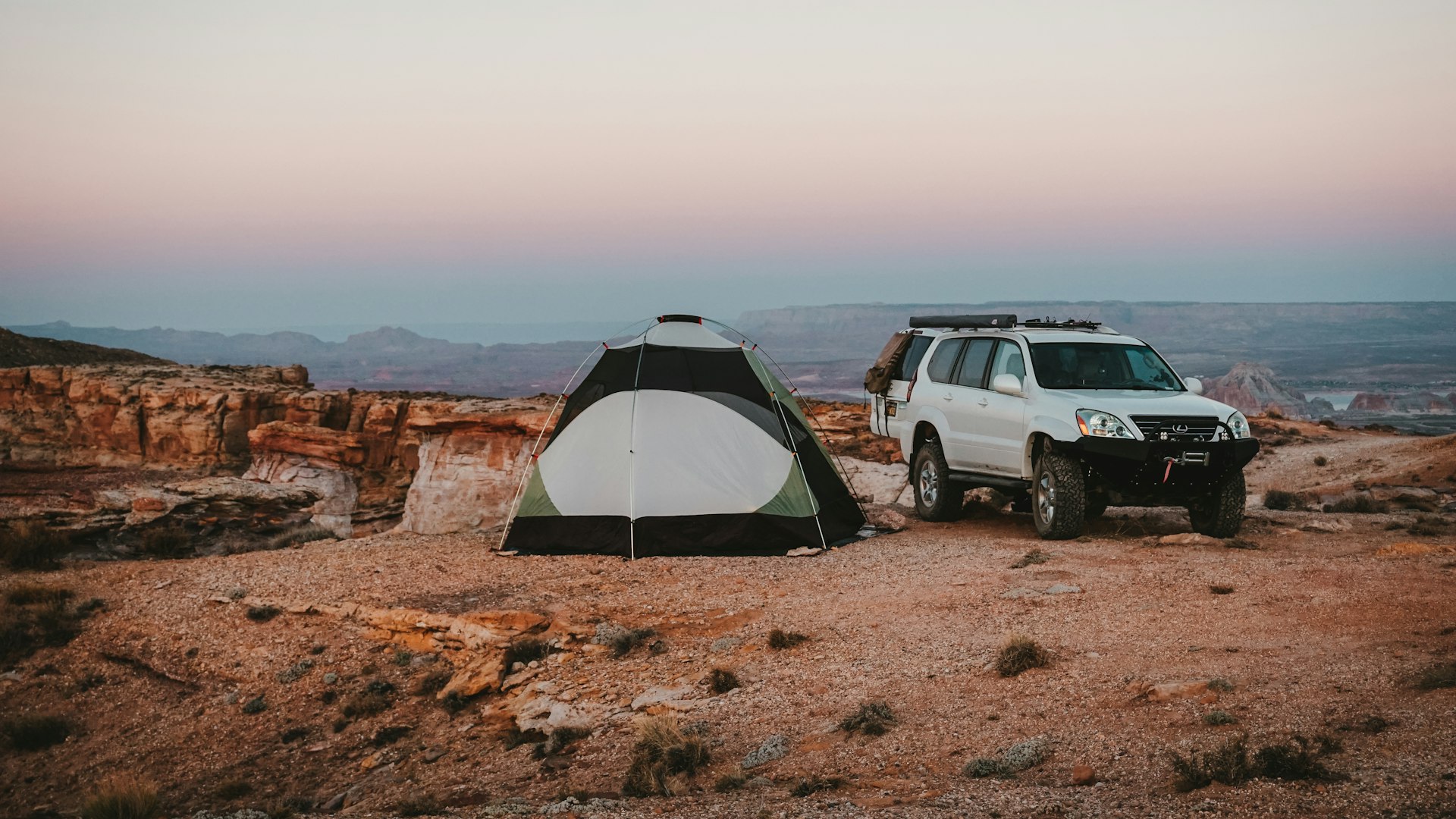
Car Camping Checklist: Everything to Pack, and What First-Timers Forget
By the Outdoors Haven editors 7 min read Updated September 29, 2026
Pack this into your head
- Pitch your tent at home first to check for missing poles, stakes or damage.
- The most forgotten items: lighter, stove fuel, headlamps, can opener and trash bags.
- A sleeping pad matters as much as the sleeping bag for staying warm.
- Bring firewood from near the campground; many parks restrict outside wood.
- Pack food so it fits in a bear locker or car where required.
- Nights are colder than you expect, even in summer.
On this route
A car camping checklist comes down to six groups: shelter (tent, footprint, stakes, tarp), sleep (bag, pad, pillow), kitchen (stove, fuel, lighter, pots, utensils, cooler, water, dish kit), clothing (layers, rain jacket, warm hat, camp shoes), light and safety (headlamps, first aid kit, sun and bug protection) and camp extras (chairs, table cover, trash bags). The items first-timers forget most often are small ones: a lighter, stove fuel, headlamps, a sleeping pad and a warm layer for the night.
Car camping means you drive to a campsite and camp next to the car, so weight doesn’t matter much. That’s the good part. The risk is overpacking while missing the one small thing that makes dinner possible. The lists below are organized so you can pack bins by category and tick them off. They build on the NPS camping list, with the details that trip people up.
Shelter
- Tent with poles, rainfly and stakes
- Footprint or ground tarp, slightly smaller than the tent floor
- Extra stakes and a mallet or rubber hammer
- Guylines
- Tarp or dining canopy for rain or shade, with rope
- Small broom or towel to clean out the tent
- Tent repair kit: pole splint, seam tape, patches
Before you go: pitch the tent in the backyard or a park. You’ll find missing stakes, a bent pole or a lost rainfly at home instead of in the dark. A tent labeled “4-person” fits four sleeping pads with no room for gear, so most families size up. Our guide on how to choose a tent explains capacity and season ratings.
Sleep
- Sleeping bag rated for the night’s low, or a warmer one
- Sleeping pad or camping mattress for each person
- Pillow, or a stuff sack filled with clothes
- Extra blanket for cold nights
- Pump for an air mattress, and a patch kit
- Earplugs and an eye mask
The pad is the item people underestimate. The ground pulls heat out of you all night, and a sleeping bag’s insulation is crushed flat underneath your body. A basic air mattress without insulation is often colder than a thin foam pad. Check a pad’s R-value; see sleeping pad R-value explained. For the bag, read what sleeping bag temperature ratings mean, because the big number on the bag isn’t usually a comfortable number.
Camp kitchen
| Cooking | Eating and cleaning | Food and water |
|---|---|---|
| Two-burner camp stove | Plates, bowls, mugs | Cooler and ice |
| Fuel (propane cylinders), plus a spare | Forks, spoons, knives | Water jug (5 to 7 gallons for a group) |
| Lighter and waterproof matches | Dish soap (biodegradable), sponge | Refillable water bottles |
| Pot, skillet, lids | Wash basins (the NPS suggests three) | Meals planned by day |
| Spatula, tongs, serving spoon | Quick-dry towel, paper towels | Snacks |
| Sharp knife and cutting board | Trash and recycling bags | Coffee or tea setup |
| Can opener, bottle opener | Zip-top bags and foil | Salt, pepper, oil, spices |
| Grill grate or campfire cookware | Tablecloth and clips | Water treatment if there’s no tap |
Plan meals for each day before shopping, and prep at home: chop vegetables, marinate meat and pre-mix pancake batter so cooking at camp is quick. Freeze water bottles to use as ice that becomes drinking water. The NPS suggests drinking at least 2 liters of water a day, more in hot climates, so bring more water than seems necessary if the campground has no tap.
For fire cooking, a grate and heavy cast iron work best; see campfire cooking basics. Always check fire restrictions before relying on a campfire for dinner.
Clothing
- Moisture-wicking shirts and hiking pants or shorts
- Warm mid layer: fleece or puffy jacket
- Rain jacket, and rain pants if rain is likely
- Warm hat and light gloves, even in summer
- Sleep clothes kept dry for the tent
- Extra socks, more than you think
- Hiking shoes or boots
- Camp shoes or sandals
- Sun hat and sunglasses
- Swimsuit if there’s water nearby
Nights at campgrounds are often 20 to 30 degrees colder than the afternoon, more in the desert and mountains. A cotton hoodie that feels fine at 5 p.m. is miserable once the dew falls. Pack real layers; how to layer clothes for hiking explains what works.
Light, safety and health
- Headlamp for each person, plus spare batteries
- Lantern for the picnic table
- First aid kit, stocked and checked; see our outdoor first aid kit guide
- Prescription medications
- Sunscreen and lip balm
- Insect repellent, and a tick remover
- Multi-tool or knife
- Phone, charging cable and a power bank
- Paper map of the area; cell service often disappears
- Bear spray in grizzly country, where allowed; see how to use bear spray
- Fire extinguisher or bucket for the fire pit
These overlap with the NPS Ten Essentials for hiking, which are worth packing in a daypack for any trail walks from camp.
Campsite comfort and extras
- Camp chairs
- Folding table, if the site has no picnic table
- Firewood (buy it locally) and fire starters
- Small shovel for the fire
- Rope or cord for a clothesline, and clothespins
- Duct tape
- Rug or mat for the tent entrance
- Games, cards, books
- Toiletries: toothbrush, toothpaste, soap, towel, toilet paper
- Hand sanitizer and wipes
- Camera or binoculars
Add these if you’re camping with kids
- A favorite blanket or stuffed animal for the tent
- Extra clothes, since kids get wet and muddy fast
- A kid-sized headlamp each, so nobody fights over the lantern
- Glow sticks to mark the tent and the path to the restroom
- A potty seat or travel potty for toddlers at night
- Simple activities: a bug jar, a magnifying glass, a nature scavenger list
Pick a campground with flush toilets and water for a first family trip, and choose a site away from roads and lakes if you have small children. Short, flat hikes from camp keep everyone happy.
Add these if rain is forecast
- A large tarp to rig over the picnic table or tent entrance, with extra rope
- Rain pants and waterproof shoes, or sandals you don’t mind soaking
- Large trash bags to keep gear and firewood dry
- A second towel per person
- A deck of cards and a book for tent time
Pitch on slightly raised ground, never in a dip where water collects, and tuck the footprint fully under the tent floor so it doesn’t funnel rain underneath.
What first-timers forget most often
| Forgotten item | Why it matters | Fix |
|---|---|---|
| Lighter or matches | No stove, no fire, no dinner | Keep two lighters in the kitchen bin permanently |
| Stove fuel | The stove is useless without it | Store a full spare cylinder with the stove |
| Headlamps | Camp gets dark fast; phones drain | One per person, batteries checked |
| Sleeping pad or pump | Cold, sore night | Pack sleep gear as a set per person |
| Warm layer and hat | Nights are colder than expected | Pack for the forecast low minus 10°F |
| Can opener, sharp knife | Canned food stays in the can | Kitchen bin checklist taped inside the lid |
| Trash bags | Trash attracts animals and must be packed out in some sites | Pack a roll with the dish kit |
| Tent stakes and mallet | Tent blows around; hard ground bends stakes | Keep them in the tent bag, plus spares |
| Toilet paper | Campground restrooms run out | Keep a roll in a zip-top bag in the car |
| Reservation confirmation | No signal at the gate to look it up | Screenshot or print it |
Campground rules to check before you go
Rules vary by park and campground, and they matter for what you pack.
- Reservations. Many national park and national forest campgrounds require them through Recreation.gov, and popular ones fill the day they open, often months ahead. Some keep first-come sites.
- Firewood. Many parks and states restrict outside firewood to stop invasive insects. Great Smoky Mountains allows only heat-treated firewood that’s bundled and certified by the USDA or a state agriculture department, or dead wood gathered in the park.
- Food storage. In bear country, food, coolers and scented items go in a bear locker or a closed vehicle, never in the tent. Pack food in bins that fit the locker.
- Quiet hours and generators. The Smokies, for example, set quiet hours of 10 p.m. to 6 a.m. and generator quiet hours of 8 p.m. to 8 a.m.
- Site limits. Many sites cap people, tents and vehicles. The Smokies allow six people per site.
- Pets. Usually allowed on a 6-foot leash and never left alone; see hiking with dogs.
- Park entry. A campsite reservation doesn’t cover entrance fees; see the national park pass guide.
Leave the site cleaner than you found it: pack out trash, drown the fire until it’s cold, and pick up micro-trash like bottle caps and twist ties. The Leave No Trace principles apply at campgrounds just as they do in the backcountry.
Packing the car so the checklist works
Pack by category in clear plastic bins with the list taped inside each lid: one for the kitchen, one for tools and lights, one for sleeping gear per person. Load the tent and tarp last so they come out first; if you arrive in rain, you’ll want shelter before anything else. Keep headlamps, snacks, rain jackets and the first aid kit in the cabin, not buried in the trunk.
After the trip, restock the bins before you put them away: refill fuel, replace batteries, top up the first aid kit, and dry the tent fully so it doesn’t mildew. The next trip then starts with the bins already packed, and the checklist shrinks to food, water and clothes.
Questions people ask
What are the most important things to bring camping?
The essentials are a tent you've set up before, a sleeping bag and sleeping pad suited to the night temperatures, a way to cook (stove, fuel and lighter), enough water or a way to treat it, a cooler with food, headlamps, warm and rain-proof layers, and a first aid kit. Everything else adds comfort. If you only check five things before leaving, check the tent poles, stove fuel, lighter, headlamps and sleeping pad.
What do first-time campers forget?
The items most often forgotten are the small ones that make everything else work: a lighter or matches, stove fuel, headlamps and spare batteries, a can opener, a sharp knife, trash bags, dish soap and a sponge, a pillow, toilet paper, and a warm hat for the night. Tent stakes and a mallet are also commonly missed, especially when the tent came secondhand.
What should I bring camping for the first time?
Keep a first trip simple: a tent, sleeping bags, sleeping pads and pillows; a two-burner stove with fuel and a lighter; a cooler with easy meals; plenty of water; headlamps; camp chairs; layers including a rain jacket and warm hat; a first aid kit; and trash bags. Book a developed campground with water and restrooms, and do a practice tent setup at home or in the backyard.
How do I keep food cold while camping?
Pre-chill the cooler overnight, pack it with block ice or frozen water bottles rather than only cubes, and keep drinks in a separate cooler so the food cooler stays closed. Put frozen meat at the bottom and keep the cooler in shade, covered with a sleeping bag or blanket. Drain meltwater only if your cooler maker recommends it. A good hard cooler holds ice two to four days in summer.
Can I bring my own firewood camping?
Often not from far away. Many national parks, forests and states restrict firewood to prevent spreading invasive insects. Great Smoky Mountains National Park, for example, allows only heat-treated firewood that is bundled and certified by the USDA or a state agriculture department. Buy wood at or near the campground, check the park's rules, and check for fire bans before you plan campfire meals.
Keep going
Next on the trail
Campfire Cooking Basics: Cook Over Coals, Not Flames
Good campfire cooking happens over coals, not flames. Light the fire 30 to 45 minutes before you want to eat so it…
Oct 6, 2026 · 8 min
Sleeping Bag Temperature Ratings: What the Number Actually Means
Sleeping bag temperature ratings come from the ISO 23537 lab test, which gives three numbers. Comfort is the lowest temperature for sleeping…
Oct 6, 2026 · 7 min
How to Choose a Tent: Capacity, Season Ratings and What They Hide
To choose a tent, size up: a tent's capacity assumes sleepers packed shoulder to shoulder with little room for gear, so two…
Oct 6, 2026 · 7 min