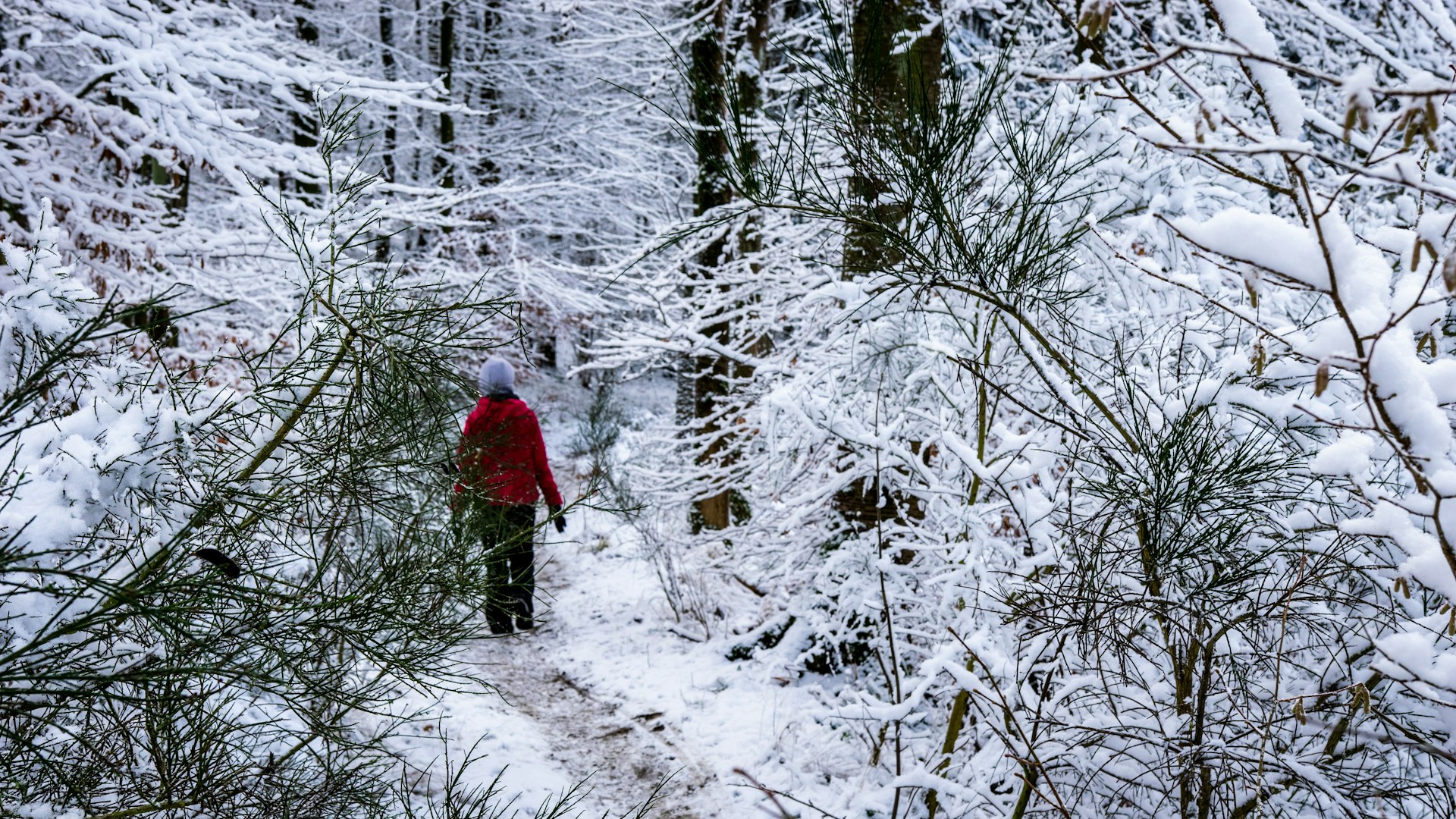
Hypothermia Signs and Prevention: The Umbles, Cold Water and What to Do
By the Outdoors Haven editors 8 min read Updated September 29, 2026
Pack this into your head
- Hypothermia means a core temperature below 95°F, per the CDC and Red Cross.
- It often happens in cool, wet, windy weather, not only in deep cold.
- The umbles (stumbles, mumbles, fumbles, grumbles) are the early warning signs.
- When shivering stops in a cold, confused person, it's getting worse, not better.
- Rewarm slowly at the core; never rub limbs or give alcohol.
- In cold water, gasping and swim failure kill before hypothermia sets in.
On this route
Hypothermia begins when your body loses heat faster than it makes it and your core temperature drops below 95°F. The first signs are hard shivering and what outdoor instructors call the umbles: stumbling, mumbling, fumbling and grumbling. As it gets worse, shivering can stop, confusion deepens and the person becomes drowsy, then unresponsive. The field treatment is to stop the heat loss: shelter from wind and wet, dry clothes, insulation from the ground, slow warming of the core, and a call to 911.
Most outdoor hypothermia doesn’t happen on a frozen summit. It happens on a 45°F day with rain and wind, to a hiker in a cotton hoodie who is tired and hasn’t eaten. Caught early, it’s easy to reverse, which is why the signs are worth learning before you need them. The guidance here follows the American Red Cross, the CDC and the National Park Service.
Why hypothermia happens in mild weather
Your body loses heat in four ways: radiation from exposed skin, conduction into cold ground or water, convection as wind strips away warm air, and evaporation of sweat and rain. Water conducts heat away from the body far faster than air, and wind multiplies the effect. Put wet clothes and a breeze together and a mild day becomes dangerous.
The CDC notes that hypothermia can occur at temperatures above 40°F if a person is chilled by rain, sweat or cold water. Rocky Mountain National Park warns visitors that it can happen year-round, even on sunny days, because conditions at 12,000 feet are far colder than at the trailhead, and summer afternoon storms arrive fast.
The usual setup combines several of these:
- Wet clothing from rain, snow, sweat or a fall into a creek
- Wind, especially above treeline on ridges and passes
- Cotton clothing, which soaks up water and loses its insulation
- Exhaustion, which cuts the body’s heat production
- Not enough food or water
- Alcohol, which widens blood vessels and increases heat loss
- Stopping for a long break or an injury, so the heat from exercise stops
Kids, older adults and lean people lose heat faster. So does anyone who is injured and lying on cold ground.
Hypothermia signs: the umbles and the stages
The umbles are a memory aid for the early signs that cold is affecting the brain and muscles:
- Stumbles: tripping on easy ground, falling behind, poor balance.
- Mumbles: slurred or slow speech, not making sense.
- Fumbles: can’t work a zipper, buckle or lighter; dropping things.
- Grumbles: irritable, withdrawn or apathetic; “I’m fine, leave me alone.”
The catch is that hypothermia impairs judgment, so the person who has it is usually the last to notice. In a group, everyone watches everyone. If a normally chatty partner goes quiet and starts tripping, stop and deal with it.
Clinicians commonly group hypothermia into three stages. Exact thresholds vary a little between sources, but the signs are consistent.
| Stage | Approximate core temperature | What you see | What it means |
|---|---|---|---|
| Mild | 90 to 95°F | Vigorous shivering, pale cold skin, the umbles, still able to walk | Treat on the spot; usually reversible in the field |
| Moderate | 82 to 90°F | Confusion, glassy stare, weakening or stopped shivering, can’t walk well, drowsy | Medical emergency; call 911 and evacuate |
| Severe | Below about 82°F | Unresponsive, very slow or no breathing and pulse, stiff rigid muscles | Life-threatening; call 911, handle gently, CPR if not breathing |
The Red Cross flags these signs as needing immediate emergency care: disorientation or indifference, a glassy stare, loss of the ability to shiver, slow or no breathing or heartbeat, a stiffening body and unresponsiveness. The single most misread sign is shivering that stops. In a cold, confused person, it doesn’t mean they’ve warmed up. It means their body has run out of fuel to shiver.
What to do in the field
The goal is simple: stop heat loss first, then add heat gently. The Red Cross steps adapted to the trail:
- Get out of the weather. Into a tent, a car, a hut, behind a boulder or into the trees. Put up a tarp if you have one.
- Insulate from the ground. Put a sleeping pad, a pack or spare clothes underneath. The ground drains heat fast.
- Replace wet clothes with dry ones. Cut wet layers off if needed. Add a hat, gloves and dry socks. Cover the head.
- Wrap them up. Sleeping bag, blankets, puffy jackets. An emergency blanket or plastic sheet on the outside stops wind and holds heat in, a technique rescuers call a hypothermia wrap.
- Add heat to the core. Hot water bottles or chemical heat packs wrapped in thin cloth against the chest, armpits and groin. A warm companion inside the sleeping bag also helps.
- Food and warm drinks, if alert. Only if they can swallow safely. Sugary food and small sips of a warm, non-caffeinated drink give the body fuel to shiver.
- Call for help if the person shows any moderate or severe signs, or doesn’t improve quickly. Use a satellite messenger or personal locator beacon where there’s no phone signal.
What not to do
- Don’t rub or massage arms and legs, and don’t let a severely hypothermic person walk or exert themselves. Handle them gently and keep them lying flat.
- Don’t rewarm fast with a hot bath or shower. The Red Cross warns that rapid rewarming can cause dangerous heart rhythms.
- No alcohol or caffeine. Alcohol increases heat loss even though it feels warming.
- Don’t give up on someone who seems lifeless. Start CPR if they aren’t breathing; the CDC notes some people with severe hypothermia can be resuscitated.
A mildly hypothermic hiker who warms up, eats and starts talking normally has still had a warning. Decide whether to keep going with the whole group honestly, because the conditions that caused it are usually still there.
Cold water is a different emergency
Falling into cold water from a canoe, kayak or snowy creek crossing kills people before hypothermia has time to develop. The National Weather Service describes three stages:
- Cold shock in the first minutes: involuntary gasping and rapid breathing that can make you inhale water. The NWS says cold shock from 50 to 60°F water can be as severe as from 35°F water, and gasping can be triggered by water as warm as 77°F.
- Physical incapacitation: muscles in the arms and legs cool and stop working, so swimming fails.
- Hypothermia, which takes much longer to develop.
Paddlers learn this as the 1-10-1 rule: about 1 minute to get your breathing under control, about 10 minutes of useful movement, and up to about an hour before hypothermia makes you unconscious. The lesson is to wear a life jacket, zipped and buckled, whenever you’re on cold water. It keeps your head up through the gasping and holds you afloat when your arms quit. If you can’t get out, use the HELP position (knees to chest, arms tight to your sides) or huddle with others to slow heat loss.
Many northern lakes and mountain rivers stay cold well into summer. Our guides to planning a first canoe trip, whitewater rafting for beginners and canoe vs kayak cover what to wear on the water.
How to prevent hypothermia outdoors
Dress in layers that work when wet
The Red Cross recommends a wicking base layer (merino wool, silk or synthetic), an insulating middle layer (wool, down or synthetic fleece) and a waterproof, breathable outer layer. It specifically warns against cotton, which traps moisture. Jeans are a classic mistake. Our guide on how to layer clothes for hiking explains each layer and when to change them.
- Carry a warm hat and gloves on every mountain hike, even in July.
- Take a layer off before you start sweating hard on a climb, and put it back on at the top before you cool down.
- Put the rain shell on at the first drops, not after you’re soaked.
- Pack a spare dry base layer and socks in a waterproof bag for overnight trips.
Eat, drink and pace yourself
Your body needs fuel to make heat. Snack every hour or so in cold weather, drink even when you don’t feel thirsty, and keep a pace you can sustain without drenching your clothes in sweat.
Watch the weather and turn around early
Check the forecast for the elevation you’re going to, not the town below, and have a turnaround time. Wind chill and rain above treeline turn a pleasant hike serious in an hour.
Sleep warm
Overnight hypothermia usually comes from the ground, not the air. A pad with enough insulation matters as much as the bag; see sleeping pad R-value explained and sleeping bag temperature ratings. For snow trips, winter camping for beginners shows how to keep insulation dry for days.
Gear that gives you options
A few light items turn a hypothermia emergency into a manageable one. Add these to your outdoor first aid kit and day hike pack for cool-weather trips:
- Emergency blanket or bivy sack
- Insulated jacket (down or synthetic) you don’t need while moving
- Chemical hand warmers
- A small closed-cell foam pad or sit pad for insulation from the ground
- A stove or insulated bottle for a warm drink
- A way to call for help without cell service
The best prevention is also the cheapest: stop the moment someone in your group starts fumbling a zipper or goes quiet, and fix it with food, a dry layer and shelter from the wind before it turns into a rescue.
This article is general guidance, not medical advice. Take a first aid or wilderness first aid course, and call emergency services for anyone with moderate or severe hypothermia.
Questions people ask
What are the first signs of hypothermia?
The first signs are intense shivering, cold and pale skin, and clumsiness: fumbling with zippers, stumbling on easy ground, slurred or slow speech and unusual irritability or apathy. Hikers call these the umbles. The person often doesn't notice them in themselves, so companions should watch each other. Act at this stage, while the person can still walk and help, by adding layers, eating and getting out of the wind.
Can you get hypothermia in 50 degree weather?
Yes. The CDC notes hypothermia can occur at cool temperatures above 40°F when a person gets chilled by rain, sweat or cold water. Wet clothing and wind strip heat much faster than cold air alone, which is why many backcountry hypothermia cases happen in spring and fall rainstorms at 40 to 55°F, not in midwinter. Rocky Mountain National Park warns it can happen year-round, even on sunny days.
What are the stages of hypothermia?
Clinicians commonly describe three stages. Mild hypothermia, roughly 90 to 95°F core temperature, brings vigorous shivering and the umbles. Moderate hypothermia, roughly 82 to 90°F, brings confusion, weakening or stopped shivering and poor coordination. Severe hypothermia, below about 82°F, means unconsciousness, very slow breathing and pulse, and rigid muscles. Anyone past the mild stage needs emergency medical care.
What should you not do for hypothermia?
Don't rub or massage the person's arms and legs, don't put them in a hot bath, and don't give alcohol or caffeine. The Red Cross warns that rapid rewarming can trigger dangerous heart rhythms, and alcohol increases heat loss even though it feels warming. Handle a severely hypothermic person gently and keep them lying flat. Don't assume someone cold and unresponsive is dead; start CPR if they aren't breathing.
How long can you survive in cold water?
It depends on water temperature, clothing, body size and whether you wear a life jacket, which is why survival times vary so much. The widely taught 1-10-1 rule describes the pattern: about 1 minute of cold shock gasping, about 10 minutes of useful muscle movement, and up to about an hour before hypothermia causes unconsciousness. Most cold water deaths happen in the first minutes from drowning, not from hypothermia.
Keep going
Next on the trail
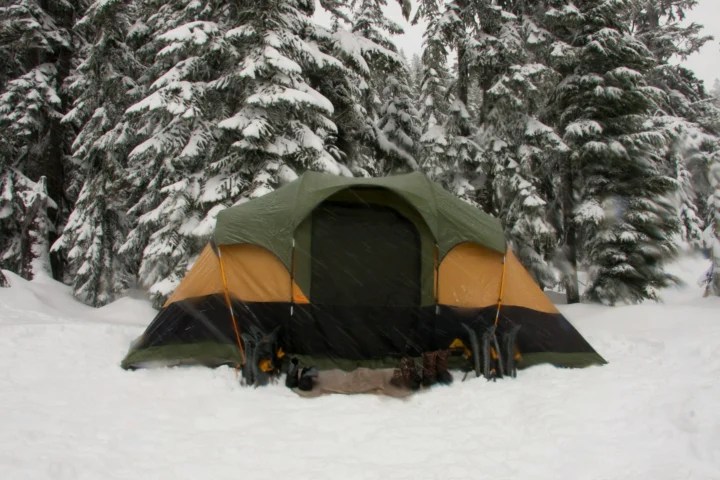
Winter Camping for Beginners: Managing Moisture, Not Cold
Winter camping for beginners comes down to managing moisture and insulation underneath you. Dress lightly while moving so you don't soak your…
Oct 6, 2026 · 7 min
Bear Canister Guide: Where They’re Required, Which Ones Count and How Much Food Fits
A bear canister is a hard-sided, lockable food container that bears can't open. It is required for backcountry camping in Yosemite, parts…
Oct 13, 2026 · 9 min
How to Choose a Canoe Paddle: Length, Bent vs Straight Shaft, Blades and Materials
To choose a canoe paddle, size it by your seated torso, not your height: sit on a flat chair and measure from…
Oct 13, 2026 · 8 min